
Search Appleton Property Records
Appleton Property Records start with the city assessor, but the search usually works best when the county register and a third-party assessment tool are part of the same routine. The Appleton City Assessor keeps property assessment information for the city, while the Outagamie County Register of Deeds handles the recorded documents and survey references tied to the land itself. Associated Appraisal gives some participating municipalities another way to look at property data. If you know the address, street name, or owner, Appleton gives you several official ways to narrow the record.
Appleton Property Records Search
The City of Appleton Assessor's Office at appleton.org/departments/assessor/ is the first place to go when you want city-level property information. The office is in City Hall at 100 N. Appleton Street, and it maintains property assessments and property information services. That makes Appleton Property Records useful as a first pass because the city assessment record can confirm the parcel, the class, and the basic value history before you move to the county file.
The county record side is also important. The Outagamie County Register of Deeds at outagamie.org/departments/register-of-deeds/ is the office that provides recorded document search through a paid service. The county notes that survey records and plat maps can be searched by street or date, which makes Appleton Property Records more flexible than a simple owner lookup. If you have a rough location clue, the county search can still help you find the right document path.
Associated Appraisal at apraz.com is another useful tool for participating municipalities in the Appleton area. It can provide assessment data and property characteristics that help fill the gap between the city assessment record and the county deed record. When the question is local and the clue is thin, Appleton Property Records work best when all three layers are used together.
Appleton Property Records Office
The city assessor office is the best place to start when you want the city side of Appleton Property Records. It gives you the assessment file, which is often the fastest way to confirm the property in question. That matters because the city record can tell you how the parcel is being tracked before you reach the recorded document side. If the address is right but the deed trail is unclear, the city assessment record can still give you a clean starting point.
The county register office in Appleton is where the recorded documents live. The office address at 410 S. Walnut Street puts the filing side close enough to the city record side to make the search efficient. The office provides paid recorded document search, and it also allows survey records and plat maps to be searched by street or date. That is a practical match for Appleton Property Records because a street clue is often easier to remember than a book and page reference.
Associated Appraisal is useful when the city and county records need another layer of property detail. It is not the same as a deed search, but it can add assessment data and property characteristics that make the city record easier to read. Appleton Property Records are strongest when the city assessment file, the county document file, and the appraisal data are kept in the same search plan.
Appleton Property Records Maps
See the Appleton City Assessor's Office in this city assessor source when you want the local assessment side of Appleton Property Records.
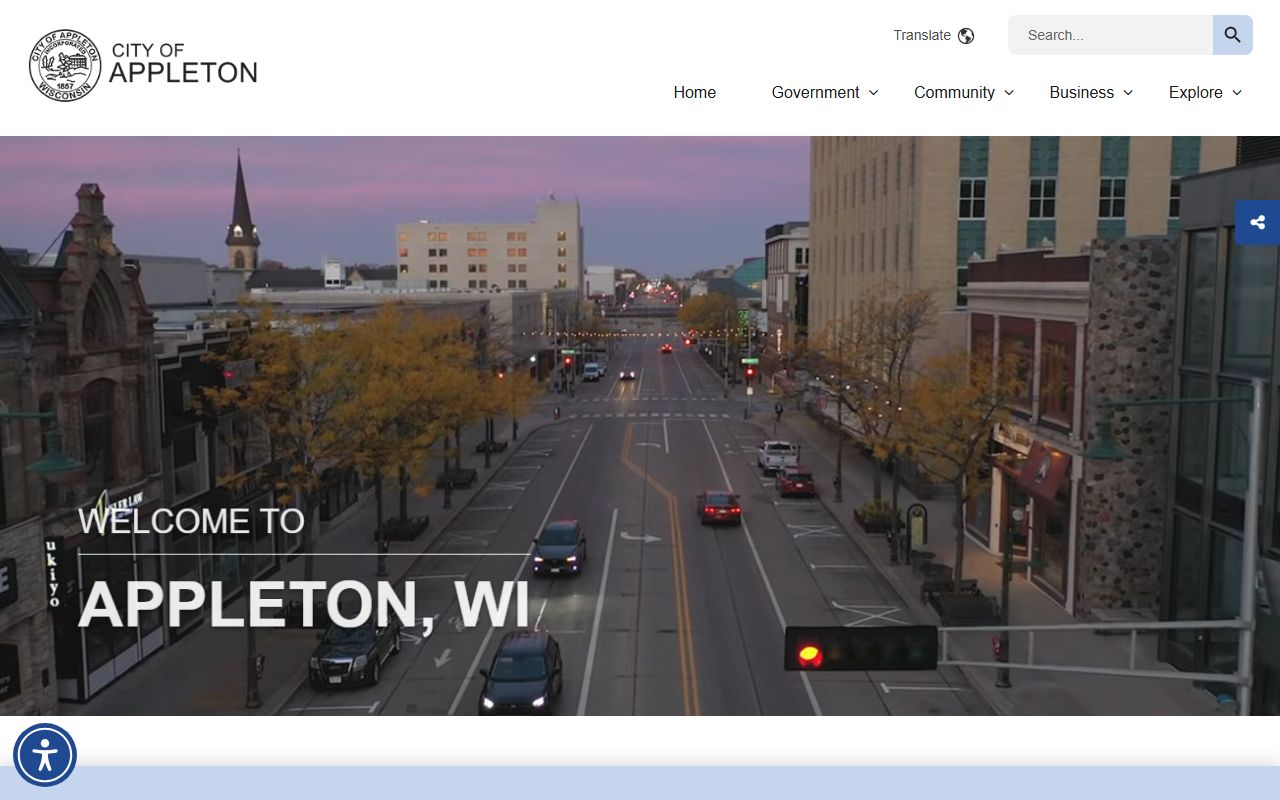
The city assessment view is the best local starting point when you already know the address or owner.
See the Wisconsin State Cartographer parcel data in this state parcel source when you want a wider parcel comparison beside Appleton Property Records.
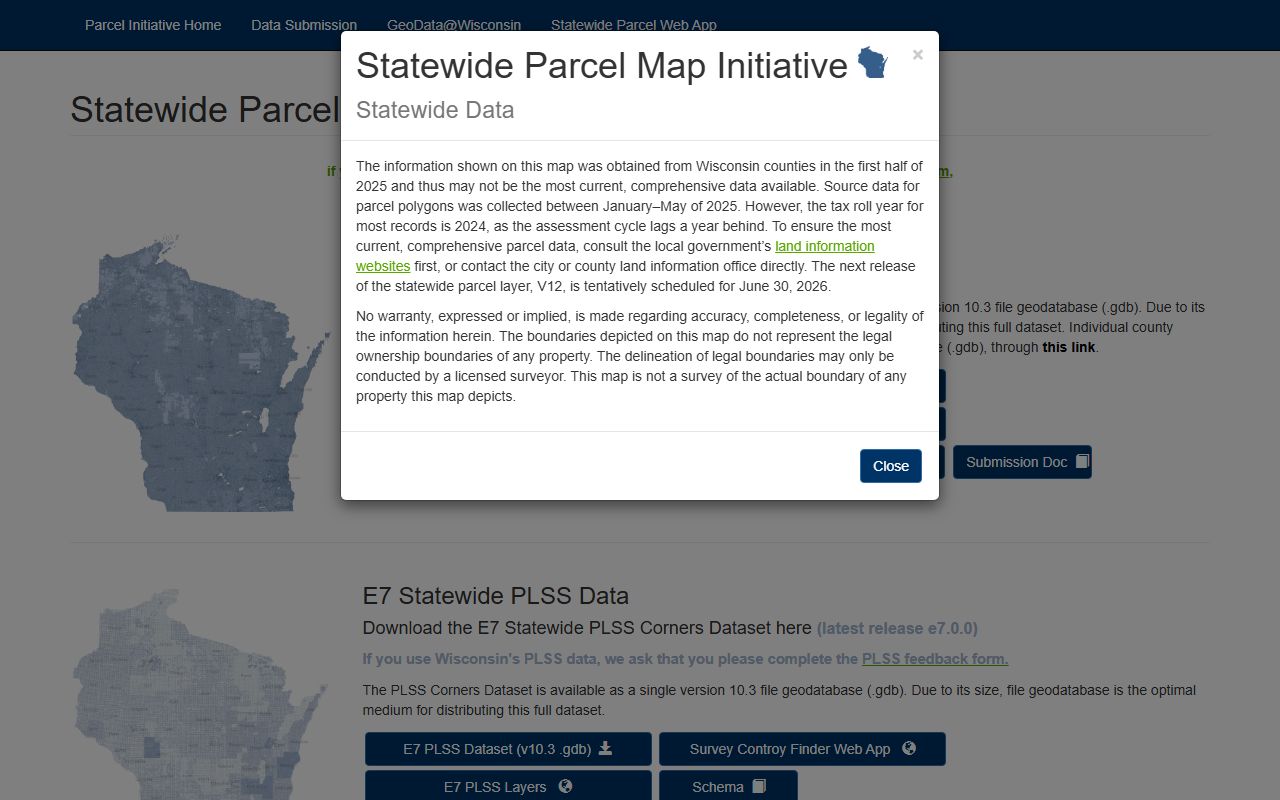
The state parcel layer helps when you want a broader view of the lot shape and nearby parcels.
See the Wisconsin State Law Library property guide in this state property law source when a deed term or recording note needs plain language.
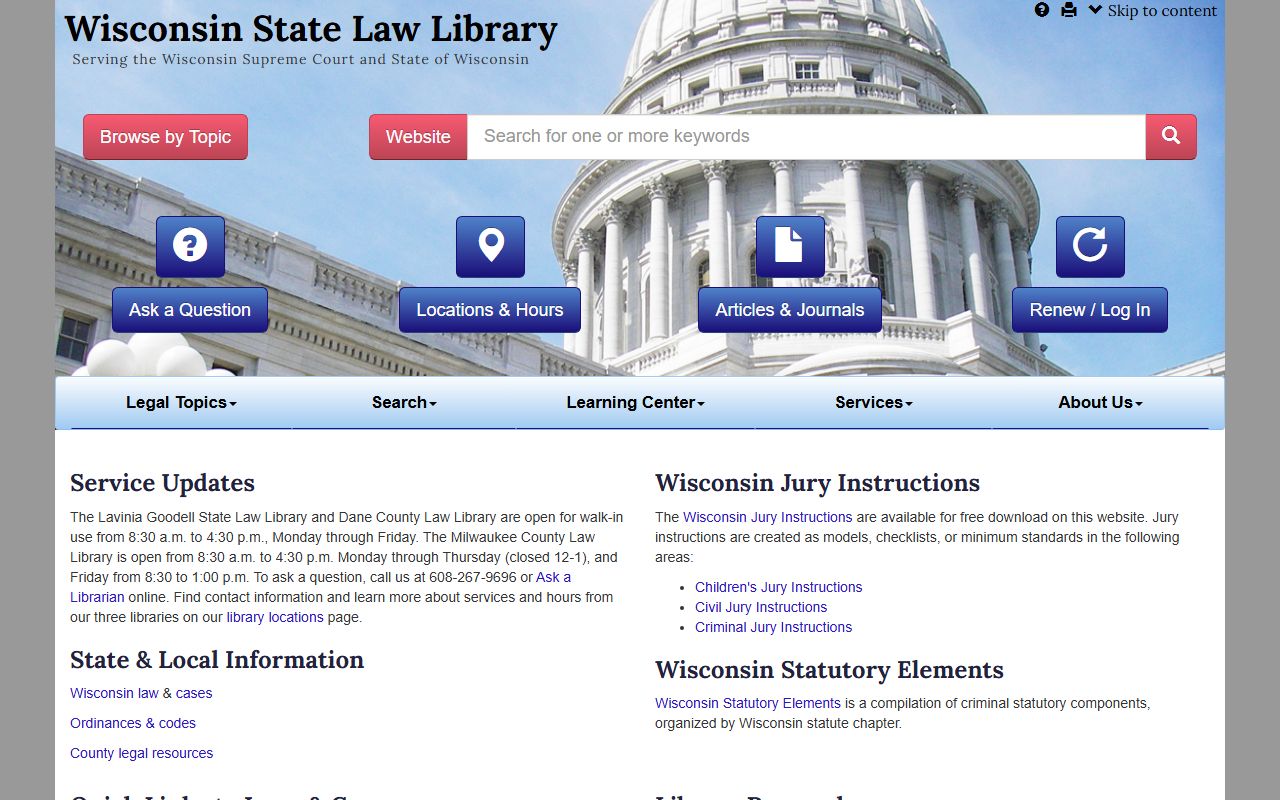
The law library guide is a steady backup when the Appleton file uses language that needs a clearer read.
Appleton Property Records Fees
The research set does not publish a city assessor fee table for Appleton, so the safest move is to use the city assessment page first and confirm the record you need before you ask for a copy or a deeper search. That keeps Appleton Property Records efficient because the assessor page can narrow the address or owner question before you reach the county document stage. In practice, the city record often tells you whether you are looking at the right parcel.
The county register side is paid, so the cost question usually shifts there once you need the recorded document or a search through survey records and plats. Associated Appraisal can also help fill in property details without forcing you into a county copy request too early. Appleton Property Records are easier to manage when the city assessment record answers the first question and the county register handles the document only after the lead is clear.
For statewide context, Wis. Stat. § 59.43 covers recording duties, Wis. Stat. § 77.22 covers transfer fees, and Wis. Stat. Chapter 706 covers conveyance and title rules. If a transfer return detail is private, Wis. Stat. § 77.265 explains why that portion does not always show up in public view.
Appleton Property Records Help
If you need help with Appleton Property Records, start with the city assessor and then move to the county register. That order fits the way the local record trail works. The city office gives you the property assessment side. The county office gives you the recorded document side. When you need an extra layer of property detail, Associated Appraisal can help with assessment data for participating municipalities. That keeps the search practical without forcing you to guess which office should answer the question.
The county register is especially useful when the clue is a street or date instead of a document number. Survey records and plat maps can be searched that way, which makes the search easier for people who know the location but not the filing details. Appleton Property Records are strongest when the city assessment record and the county document search are read as one set, not as two unrelated systems.
The state law library is a good backup if the deed language or recording note is hard to read. The state parcel data is the best wider map check when you want to compare a local parcel against a broader Wisconsin frame. Those sources do not replace the city assessor or the county register. They just help you read Appleton Property Records more clearly and keep the search tied to the right property.
If the city record, county document, and appraisal data still do not line up, the Outagamie County Register of Deeds is the office to contact next because it controls the filed record. That keeps the search in the official record trail instead of drifting into guesswork. Appleton Property Records are much easier once the city, county, and appraisal layers are used in the right order.