
Access Beloit Property Records
Beloit Property Records are easiest to sort when you start with the city assessor, then move to the Rock County Register of Deeds, and then check the county land information tools. The city side helps with assessments and property information. The county side holds the recorded real estate trail, including deeds and other documents that reach back to 1830. If your first clue is an address, an owner name, or a parcel hint, that sequence gives you a practical way to narrow the search before you order anything. Beloit Property Records often make sense only after the city and county views are read together.
Beloit Property Records Search
The Beloit City Assessor's Office at City Hall, 100 State Street, is the first local stop for Beloit Property Records. The office maintains property assessments and provides property information services. That makes it the right place to begin when the clue is a city address, a value question, or a property class issue. A quick city search can show whether you are on the right parcel before you move to the county side.
The Rock County Register of Deeds at co.rock.wi.us/departments/register-of-deeds keeps the recorded document trail for Beloit Property Records. The office has scanned most real estate records dating back to 1830, and online availability runs through Tapestry and Laredo. The county online search page at co.rock.wi.us/departments/register-of-deeds/real-estate/online-search is the place to open when you need the real estate index. That reach matters because it lets Beloit searches move from a current parcel check to a much older deed trail without changing the basic path.
Rock County land information adds the parcel and map layer. The county land records page at co.rock.wi.us/departments/land-records supports parcel research, while the GIS portal at rockcountylio.maps.arcgis.com gives a visual map view for ownership and boundary checks. Beloit Property Records are easier to read when the city assessment page, the county deed index, and the county map all point to the same land.
State rules still frame the filing side. Wis. Stat. § 59.43 covers recording duties, and Wis. Stat. Chapter 706 is the best conveyance chapter when Beloit Property Records turn into title language. If a deed term or transfer note is still unclear, the Wisconsin State Law Library at wilawlibrary.gov/topics/realprop.php is the best plain-language backup.
Beloit Property Records Office
The city assessor office at 100 State Street is the front door for the city side of Beloit Property Records. It gives you the assessment record before you move into the county file. That is useful when the search begins with a street address or an owner name and you want to confirm the parcel before looking for the recorded deed. The assessor office keeps the search grounded in the city view of the property.
The county register office at the Rock County Courthouse, 51 S Main St., Janesville, handles the filing side. It has scanned most real estate records dating back to 1830, so older Beloit Property Records can still be reached through the county record trail. Tapestry is the better choice for occasional users looking for a specific document, while Laredo is built for professional daily users. That split matters because the same office can serve both a quick check and a deeper title search.
The county land records page and GIS portal fill in the map side. When Beloit Property Records need a parcel outline, an ownership check, or a visual comparison, those county tools give the search more context than the index alone. The city assessor tells you how the parcel is being viewed for assessment, and the county tools tell you what was recorded and where the land sits on the map.
Note: If the document is older or the parcel clue is weak, the county register index is still the most reliable path before you spend money on a copy.
Beloit Property Records Maps
See the Rock County GIS portal in this county GIS source when you want Beloit Property Records tied to a map and parcel layer.
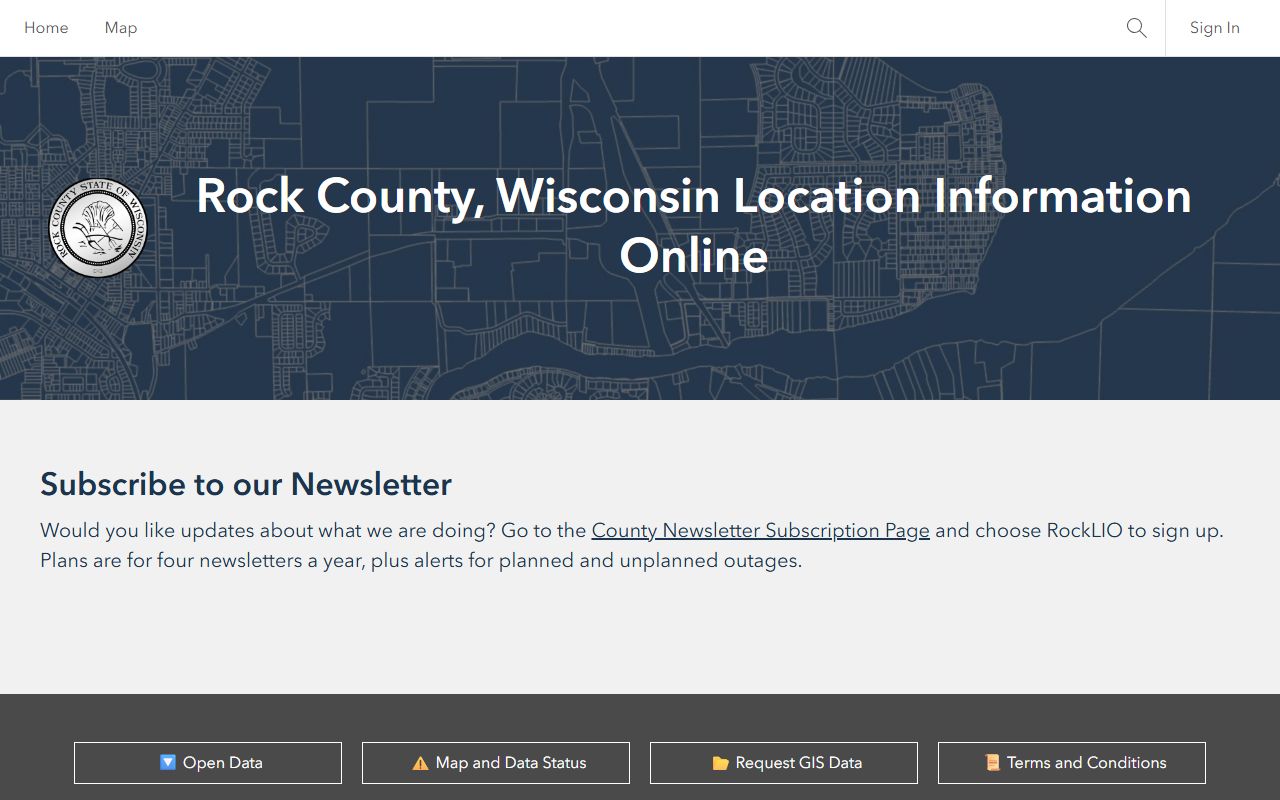
The county GIS view helps when the ownership, boundary, or parcel shape needs a clearer picture.
See the Wisconsin property transfer search in this state transfer source when you want transfer context beside Beloit Property Records.
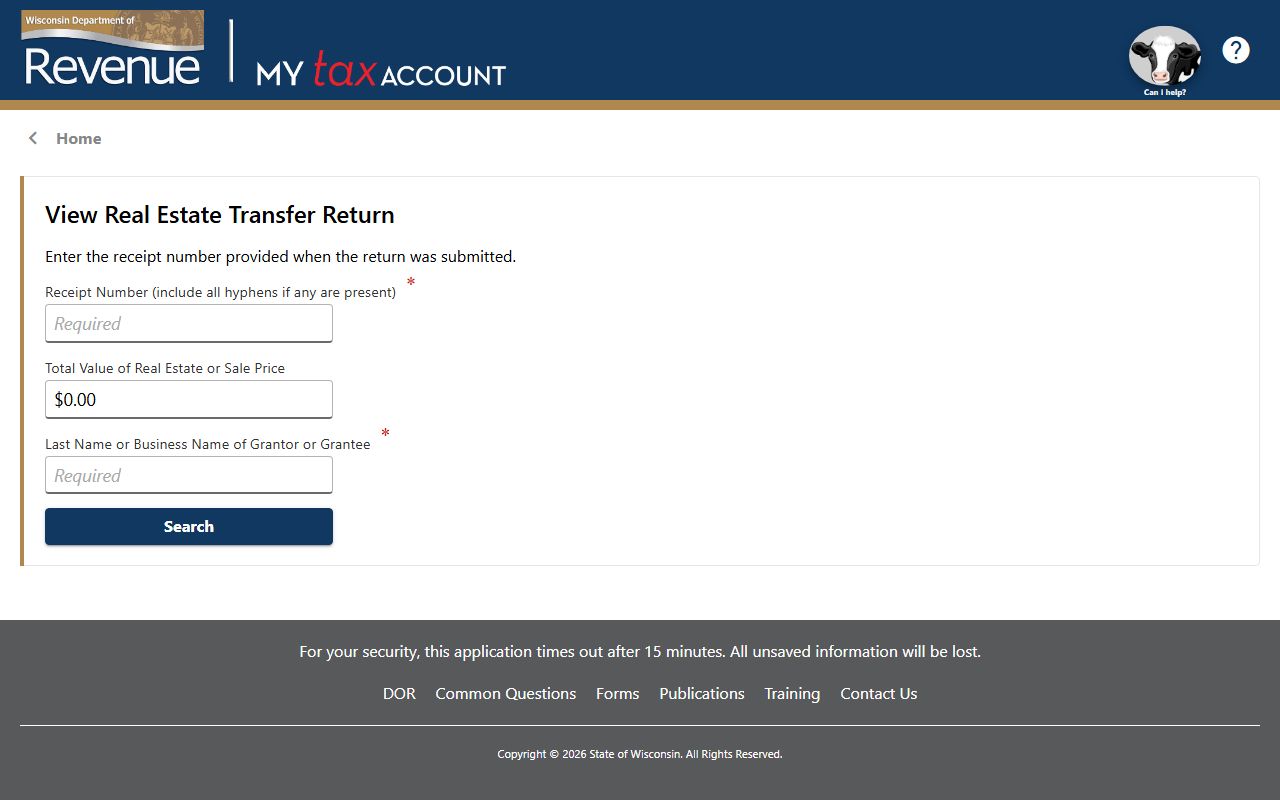
The transfer search is useful when the recorded deed needs a tax or conveyance check.
See the Wisconsin State Law Library in this state law source when you want a plain-language backup for recording terms beside Beloit Property Records.

The law library view is a steady fallback when the deed language feels dense or formal.
Beloit Property Records Fees
The county research gives a clear fee note for Rock County Property Records: the recording fee is $30 per document and plat recording is $50. That helps when a Beloit search turns into a filing request instead of a simple lookup. The best move is still to confirm the parcel first through the city assessor or county search page so the copy request matches the right record.
Beloit Property Records also benefit from the county's split access model. Tapestry works well for an occasional search, while Laredo is aimed at professional daily users. That means the fee issue is not just about a copy price. It is also about choosing the right access path before you spend time on a search that needs a different tool.
For statewide context, Wis. Stat. § 77.22 covers transfer fees, Wis. Stat. § 77.25 covers exemptions, and Wis. Stat. § 77.265 explains why some transfer return details stay private. Those rules help frame Beloit Property Records when a deed also carries a transfer question.
Note: The quickest way to avoid a wasted request is to confirm the parcel in the city or county index before ordering a copy.
Beloit Property Records Help
If you need help with Beloit Property Records, start with the city assessor when your clue is an address, a parcel number, or an assessment question. Then move to the Rock County Register of Deeds for the recorded document trail and use the county land records page or GIS portal for a map check. That sequence fits the way the local records work and keeps the search from drifting.
Beloit Property Records also benefit from the county's long record run. Because most real estate records are scanned back to 1830, older deeds can still be part of a modern search. The city assessor tells you what the property looks like now, while the county register shows the legal history behind it. That split makes the record easier to trust when the parcel has changed hands more than once.
If the question becomes procedural, the Wisconsin State Law Library is the best plain-language backup. If the question becomes a title issue, Chapter 706 is the right statewide chapter to read next. Beloit Property Records are strongest when the city assessment record, the county filing record, and the county map all point to the same parcel instead of three different answers.