
Search Kewaunee County Property Records
Kewaunee County Property Records bring land, tax, and image work into one county path. If you need a deed, a copy, a parcel clue, or a name search, the county's Register of Deeds and land information office keep the work local. That helps in a county where a search may begin with a grantor, a parcel number, or a recorded document date, then move to the map or tax side for one more check. The county also supports electronic recording, so newer filings can move fast when the paper is ready. Start with the office, then use the portal that matches your clue.
Kewaunee County Property Records Search
Kewaunee County Property Records are easiest to start through the Register of Deeds at 810 Lincoln Street in Kewaunee. The office offers electronic recording through Simplifile, CSC, and hopdox, which is useful when a filing needs to move without a trip to the courthouse. The office also uses Deketo for real estate search and copies, and the index begins June 18, 1979. That makes the county useful for modern deed work and for a solid run of older document research. When a search turns up a document number, the county system gives you a direct route back to the image.
The county's real property listing is the backbone of the land information system. It maintains current parcel ownership and calculates tax bills each December, so it is the right place to compare the recorded deed with the current tax side. Use the county pages in this order when you can: the Register of Deeds page, the real property listing, and then the state transfer tools if the sale trail needs more context. The LandShark-style access path is not the only option in Wisconsin, but Kewaunee County still gives you a clear local flow for records, copies, and parcel checks.
The county site at kewauneeco.org is the main entry point for county services. From there you can move to the Register of Deeds and land information pages without guessing which department owns the file. That matters when you are trying to confirm a legal description, a copy request, or a tax question tied to the same parcel. The county keeps the search practical, and that makes Kewaunee County Property Records more usable than a single index screen.
Kewaunee County Property Records Office
The Register of Deeds office is the anchor for Kewaunee County Property Records. It handles abstract indexes, grantor and grantee indexes, and certified survey map indexes. That mix helps when a search starts with a property name but ends with a specific survey or deed image. The office also sits inside the county's broader records system, where Tammy Malach serves as land information director and helps connect the real property listing with the map and tax work. That link matters because county property files are rarely just one thing. The deed, the map, and the tax note usually tell the same story from different sides.
Wisconsin recording rules still frame the process. Wis. Stat. 59.43 covers recording duties and document standards. The state transfer fee rules in Wis. Stat. 77.22 and the confidentiality rule in Wis. Stat. 77.265 shape how conveyances and transfer returns are handled. Those statutes matter when a deed is recorded, but they matter just as much when you are trying to understand what the office can release and what stays private. Kewaunee County Property Records are clearer when the office page and the state law page are read together.
The office also connects to the county's real property listing. That listing processes documents recorded in the Register of Deeds office, keeps current parcel ownership, and calculates tax bills each December. If you are checking a recent sale or comparing a deed to a tax notice, that local timing matters. The county is not just storing old paper. It is actively maintaining the current parcel file. For owners and researchers, that is often the difference between a rough clue and a usable result.
Kewaunee County Property Records Maps
The land information side of Kewaunee County Property Records is built around the real property listing and the county GIS data set. It gives you parcel ownership, map context, and the tax side in one place. That is useful when a deed search is close but not quite enough. A parcel map can show whether the lot matches the legal description, and the tax side can confirm whether the current owner lines up with the recorded document. Kewaunee County keeps the map and the record in step, which saves time when you are trying to make sure you found the right parcel.
Kewaunee County also fits into the statewide land records system through the Wisconsin Register of Deeds Association and the Wisconsin Department of Revenue. The state parcel map data at sco.wisc.edu/parcels/data is a good backup if you want a broader map comparison. The state property transfer search at ww2.revenue.wi.gov/RETRWebPublic/application helps when you need to compare a sale date or transfer detail with the county record. That layered approach keeps Kewaunee County Property Records grounded in county data while still tied to the state record trail.
See the county Register of Deeds page in this Kewaunee County records source before you request a copy.

The state register-of-deeds resource is a good fallback here because the county file set is better reached through office pages and land information links than through a county-specific image bank.
See the real property listing in this Kewaunee County land information source for parcel ownership and tax bill work.
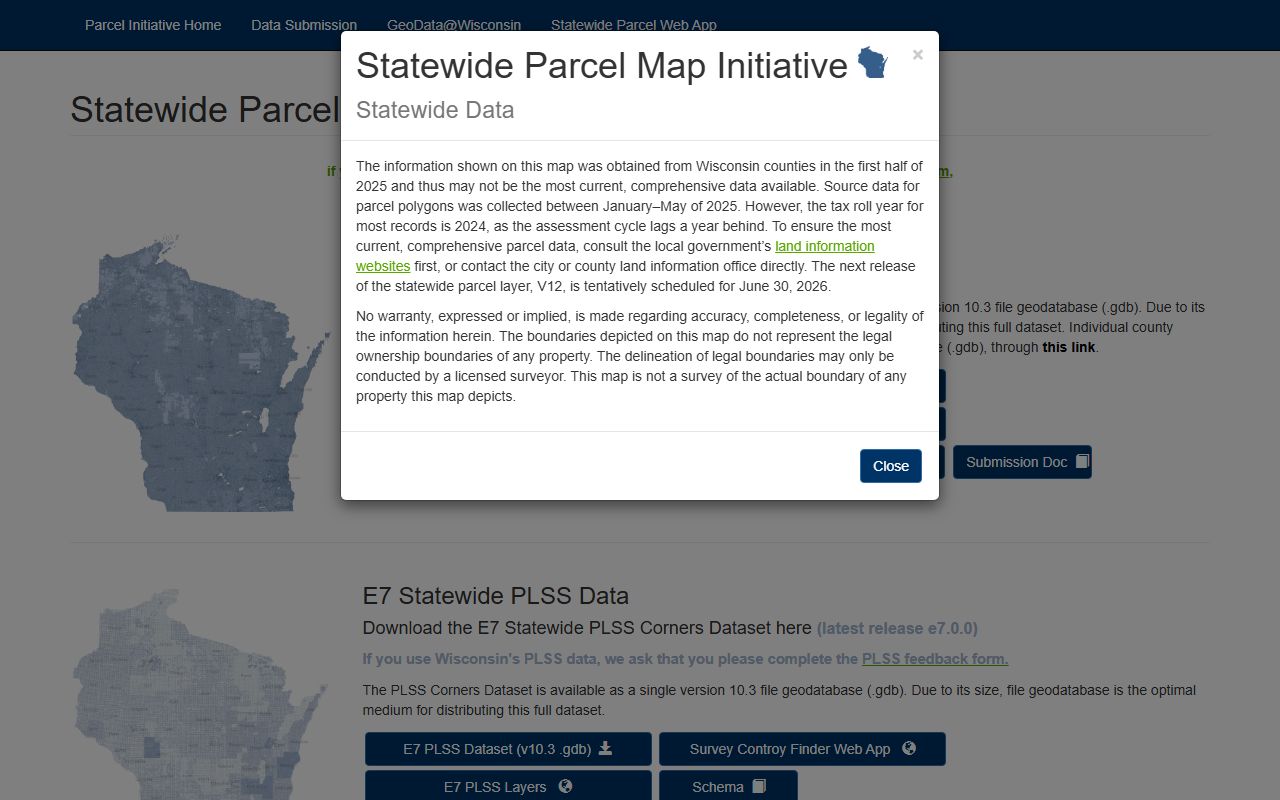
That statewide parcel map image fits the county's map-and-tax role and gives a plain visual reference for the broader Wisconsin parcel system.
Kewaunee County Property Records Fees
The fee picture in Kewaunee County follows Wisconsin's general recording structure, with the county office handling the document path and the state handling the transfer rule. That means fees are not just about a copy. They also touch the filing method, the recording system, and whether a transfer return is required. The county's electronic recording vendors are part of that process, and they make it easier to submit a record when the office is closed or when the filing is being done from a title company. The office can still tell you which path fits the document best.
The real property listing gives the county another practical fee connection, because tax bills are calculated there each December. If a parcel changed hands, the tax timing can matter as much as the deed image. A recording that is clean on paper but stale in the tax file can create confusion later. Kewaunee County Property Records are best used with both the document and tax side in view. That is the safest way to avoid a mismatch between the office record and the current parcel file.
When you need a broader state frame, the Wisconsin State Law Library property page at wilawlibrary.gov/topics/realprop.php helps explain the rules behind the forms. It is a good backup when a deed question turns into a legal description question or when you want to compare county practice with the statewide rule set. That keeps the research local without forcing the county page to carry every statute in one place.
Kewaunee County Property Records Help
For Kewaunee County Property Records, the best help usually comes from the county offices first and the state tools second. Start with the Register of Deeds if you need a copy, a search, or a filing question. Move to the real property listing if you need parcel ownership or tax bill timing. Then use the Wisconsin Department of Revenue transfer search if you need to compare the county file with the state transfer trail. That sequence keeps the process short and avoids wasting time on tools that do not match your clue.
The county does not make the search harder than it needs to be. Instead, it keeps the work split between the document side and the land information side. That is practical. It means a person can search a legal description, then check the parcel, then confirm the tax side without leaving the county system. Kewaunee County Property Records are not a giant portal built for show. They are a working records path for owners, buyers, and researchers who need a clean answer.
Note: Kewaunee County's strongest path is the office page first and the real property listing second, with state tools only when the sale or transfer needs a wider check.