
Search Lafayette County Property Records
Lafayette County Property Records are centered in Darlington, where the Register of Deeds office handles recorded document search through paid services and keeps the county's deed trail in one official place. That makes the county useful when you need a land contract, a quit claim deed, or a warranty deed rather than just a quick name check. Start with the courthouse office, then move outward to the state resources when you need a broader rule set or a state-wide transfer check. The local path is direct, and the county pages keep it that way.
Lafayette County Property Records Office
The Lafayette County Register of Deeds office is at the courthouse on 626 Main Street in Darlington. It is the first stop when you want a recorded document search or a copy path for a deed, mortgage, or related filing. The research you provided is light on the county's online extras, but the office function is clear. It holds the local record set, and it serves as the point of contact for the document trail that matters most in a title or ownership search.
That office role matters because county property work is not just about tax values or map lines. It starts with the record that was filed and indexed. If you need forms, a copy request, or a search route, the county office is the place that can match the document to the parcel or ownership lead you already have. In Lafayette County Property Records, the courthouse is the anchor.
The county homepage at lafayettecountywi.org is the broad entry point for office links and county services. When a page is thin, the safest move is to start there and then step into the Register of Deeds page. That keeps the search local and avoids guessing about the right office.
See the Lafayette County Register of Deeds page in this Lafayette County Register of Deeds source before you request a copy or try a paid search.
Lafayette County Property Records Search
Lafayette County Property Records use a paid recorded document search model, which means the county is set up for direct access to the real document trail rather than only a simple public index. That is helpful when you need a land contract, a quit claim deed, or a warranty deed and do not want to guess at the right filing type. The county research gives you a clear forms list, so the local record work stays practical.
The forms mentioned in the research are useful because they point to the kind of documents the county handles. Land contracts, quit claim deeds, and warranty deeds are common in a property chain, and they all belong in the same search conversation. If you are looking for a transfer or a title clue, Lafayette County Property Records are best approached as a document search first and a map search second.
For state context, the Wisconsin Department of Revenue transfer search at ww2.revenue.wi.gov/RETRWebPublic/application is the strongest public layer for transfer-return checks. The Wisconsin Register of Deeds Association at wrdaonline.org and the Wisconsin State Law Library property page at wilawlibrary.gov/topics/realprop.php also help when the county page does not spell out every local step.
When you are trying to compare a local filing with the state rule, start with the county document search and then move to the state transfer page. That keeps Lafayette County Property Records grounded in the local courthouse while still giving you a way to confirm the broader filing trail.
See the Wisconsin Department of Revenue transfer search in this Wisconsin transfer search source when a recorded deed needs a state-level cross-check.
Lafayette County Property Records Maps
The research for Lafayette County does not list a separate county GIS portal in the same way some other counties do, so the best move is to keep the page focused on the official record source and the state support tools that can fill the gap. In practice, that means using the Wisconsin State Cartographer's Office parcel data at sco.wisc.edu/parcels/data when you need a broader parcel check and the Wisconsin Department of Revenue when you need a transfer-side clue. That is a clean fallback path for a county page with limited local map detail.
The Wisconsin State Cartographer's Office is useful because it gives you a statewide parcel layer that can be compared against the county record. If a deed or form mentions a tract and you need a map frame, that statewide layer is a good place to start. It is not a substitute for the county courthouse, but it can help you decide whether the parcel line and the record line are talking about the same property. That is often enough to keep a search moving.
See the statewide parcel map in this State Cartographer's Office parcel data source when you need a Wisconsin-wide parcel comparison.
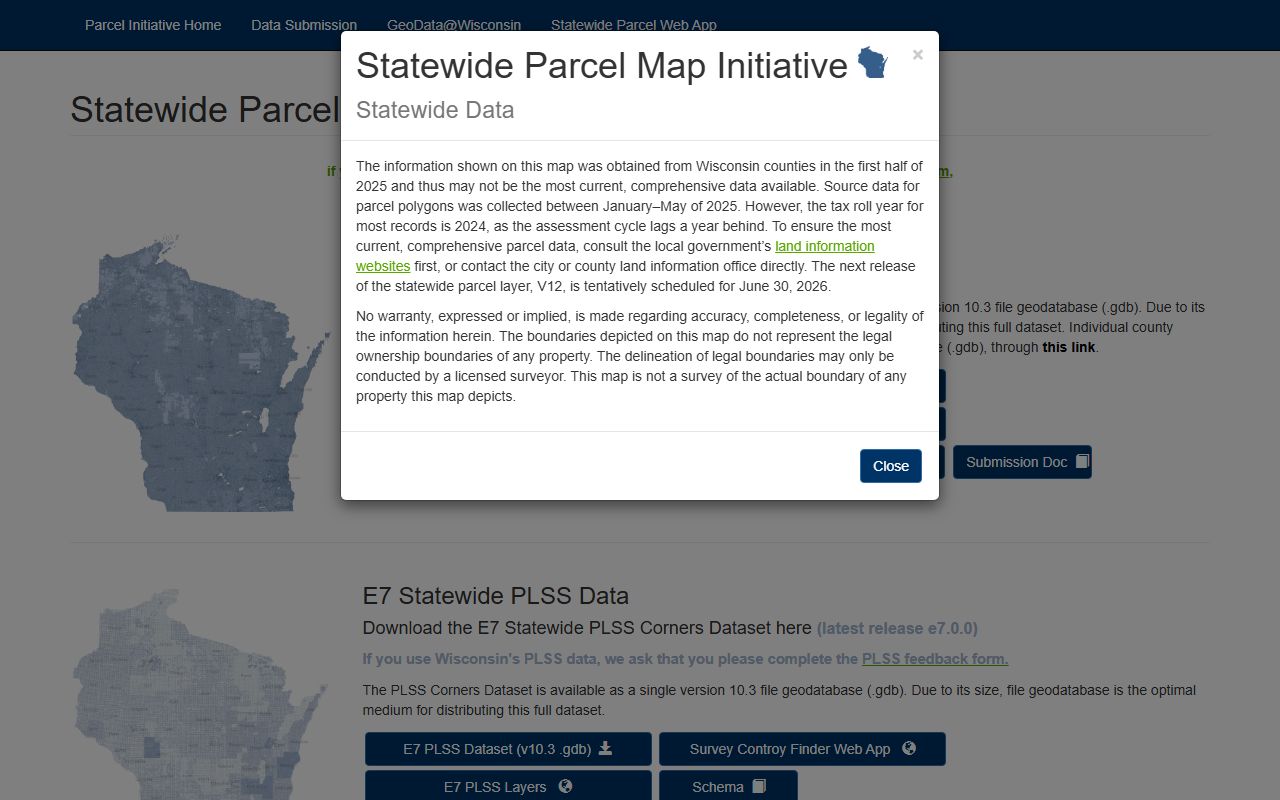
The statewide parcel layer is the best visual backup when the county page only gives you the courthouse record path.
Lafayette County Property Records Fees
The county research is short on a detailed fee table, so the safe approach is to lean on the county office for current copy and search costs. That is important because the paid recorded document search implies that access is not entirely free, even if the office still serves the public record role. If you need a land contract, deed copy, or search result, confirm the current cost with the Register of Deeds before you visit or mail a request.
At the state level, recording and transfer rules still matter. Wis. Stat. 59.43 covers register of deeds duties and recording standards, while Wis. Stat. 77.22 and Wis. Stat. 77.25 frame transfer fees and exemptions. Those statutes do not replace the county office, but they help explain why a filing may need a form, a fee, or an exemption check.
If you are comparing a county document search with a title or transfer issue, keep the statutes in view and ask the office about the current charge. That is the cleanest way to handle Lafayette County Property Records without overcomplicating the request.
See the Wisconsin State Law Library real property guide in this Wisconsin property law source when you need plain language on recording and transfer rules.
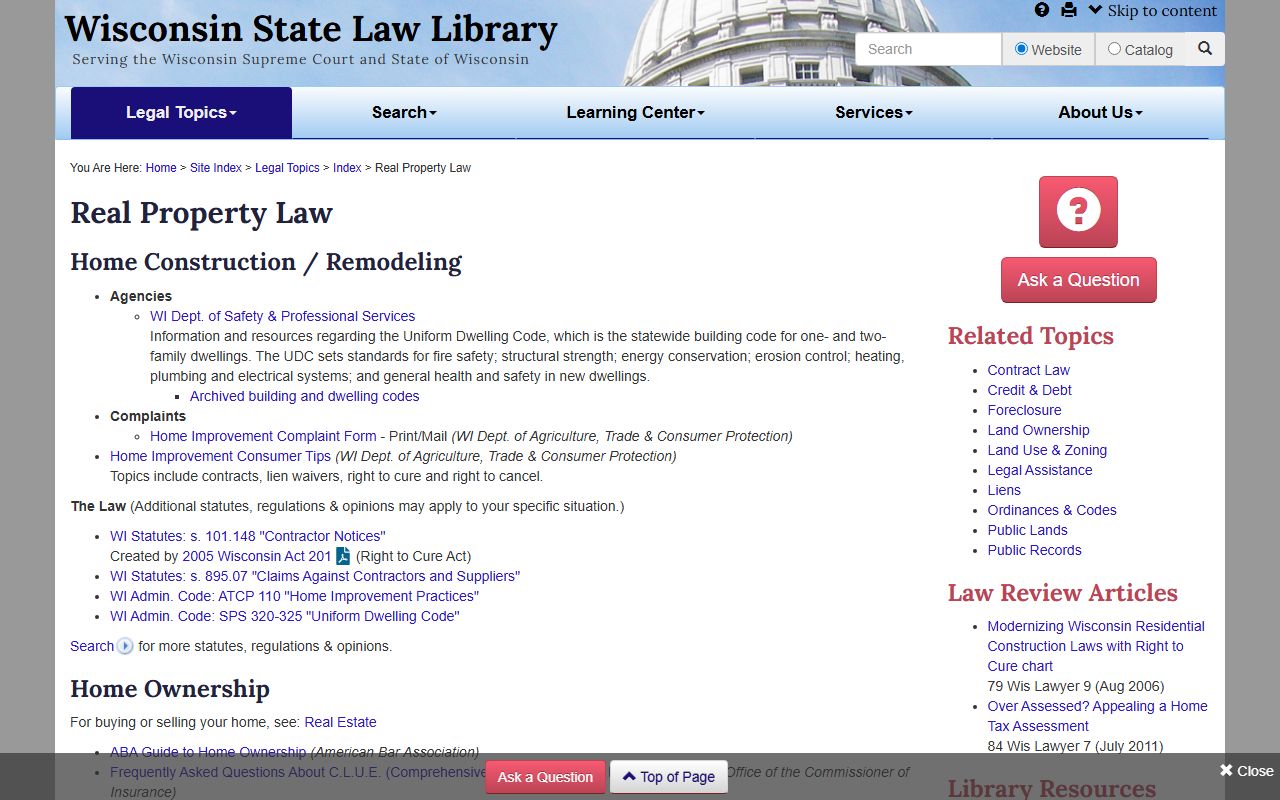
That state law image is a good fit here because the county fee path still sits under Wisconsin recording law.
Lafayette County Property Records Resources
Lafayette County Property Records are easiest to use when you keep the search local and the state backup close at hand. The county office gives you the official document path, the courthouse address, and the forms set. The county homepage gives you the broader government entry point. The state DOR, WRDA, and State Law Library pages give you the rules and terminology when the county page is too brief to answer the whole question.
That blend works well for a county with a short research block because it keeps the page honest. You are not inventing a GIS portal that the research did not list, and you are not pretending a form list is the same as a full parcel database. You are just following the local record trail and then using the state pages to confirm the law behind it. That is the right way to read Lafayette County Property Records.
The Wisconsin Register of Deeds Association at wrdaonline.org is another practical reference because it helps place the county office inside the statewide register network. When you need a wider view, it is the best neutral support page to check after the county office.

The state register of deeds image works as a clean statewide backup when the county has no local image set to use.