
Search Marathon County Property Records
Marathon County Property Records are centered in Wausau, where the Register of Deeds and Land Information office keep the county's real estate file, vital records, and GIS mapping in one connected system. That is useful when you need a deed, a parcel check, or a tax clue and do not want to bounce between unrelated pages. The county record trail is practical. Start with the office page if you need a document, then move to the map side if you need parcel context. That sequence keeps the search focused and cuts down on guesswork.
Marathon County Property Records Search
The Marathon County Register of Deeds provides recorded document search and maintains real estate and vital records for the county. That makes Marathon County Property Records easy to start and easy to split into parts. If you need a deed image, the office is the right place. If you need a broader parcel view, the Land Information Office gives you the map side of the record trail. The county seat in Wausau ties those parts together in a way that works for most searches.
The county website at co.marathon.wi.us is the best first stop. From there, the Register of Deeds page and the Land Information page give you the official county path into records and GIS mapping. That is the practical part of Marathon County Property Records. It is not just one file cabinet. It is a set of linked office pages that let you move from a recorded document to a map and back again.
State rules still matter here. Wis. Stat. § 59.43 governs recording duties, and Wis. Stat. Chapter 706 governs conveyances and title matters. If a Marathon County filing needs context, those statutes are the cleanest statewide reference points. They explain why a document can be accepted, how it is indexed, and how a transfer fits the broader Wisconsin property system.
Marathon County Property Records Office
The Register of Deeds office is the anchor for Marathon County Property Records. It is at 500 Forest Street in Wausau and handles recorded document search, real estate records, and vital records. That gives the county a direct office route for people who need the actual filing trail rather than a summary screen. If you need a copy, a search result, or a verification that a document was recorded, the office page is the right place to begin.
The county research also points to the Land Information page, which provides web-based GIS mapping. That helps when a document search turns into a parcel question. You can move from the office file to the map and check whether the land matches the record. That matters because property records often make more sense when the legal description and the parcel view are read together. Marathon County Property Records work best when both sides are in view.
For state-level support, the Wisconsin Department of Revenue transfer search at ww2.revenue.wi.gov/RETRWebPublic/application and the Wisconsin State Cartographer parcel map data at sco.wisc.edu/parcels/data are strong backups. They help when a county search needs transfer context or a wider mapping comparison. The county pages do the local work. The state pages help explain the record system around it.
Marathon County Property Records Maps
See the Wisconsin Department of Revenue transfer system in this state transfer search source when you need a transfer trail beside the county file.
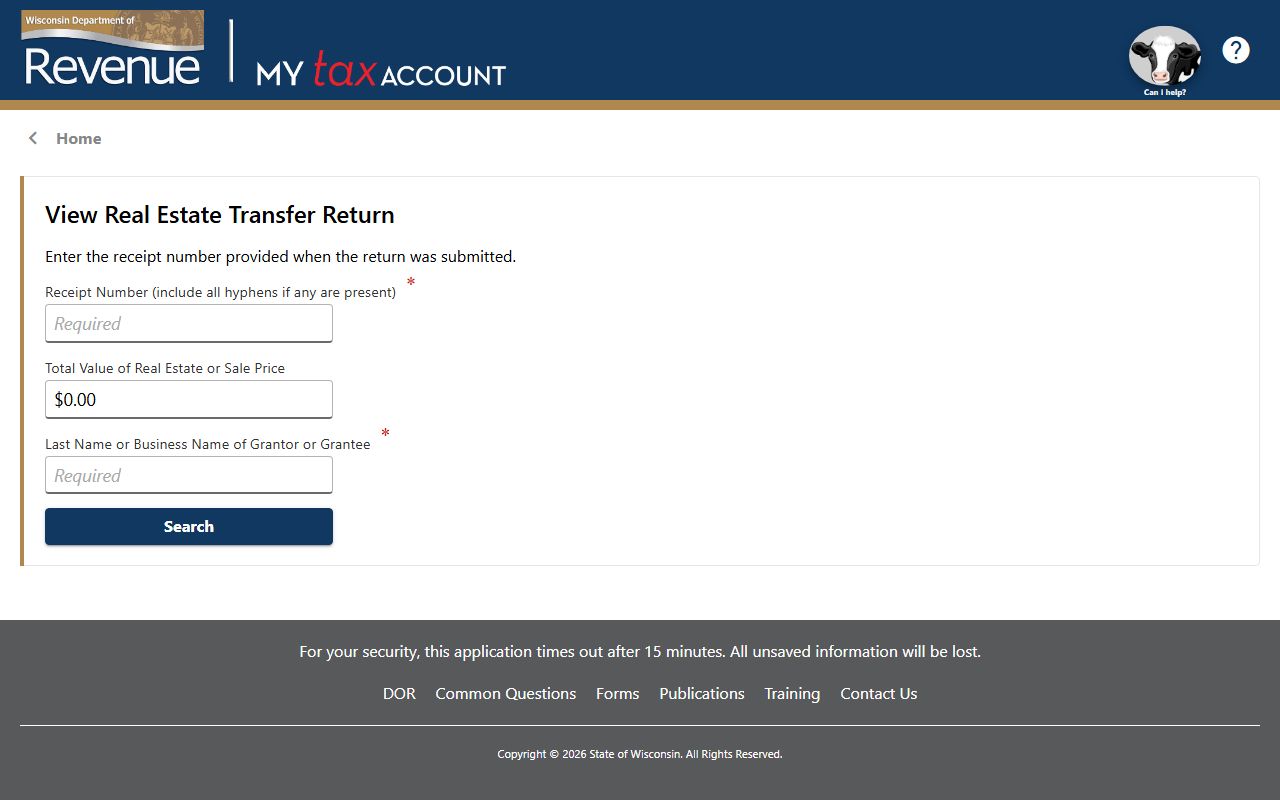
The transfer search is a good fallback when the county document needs one more statewide check.
See the Wisconsin State Cartographer parcel data in this state parcel map source when you want a wider Wisconsin map comparison for Marathon County.
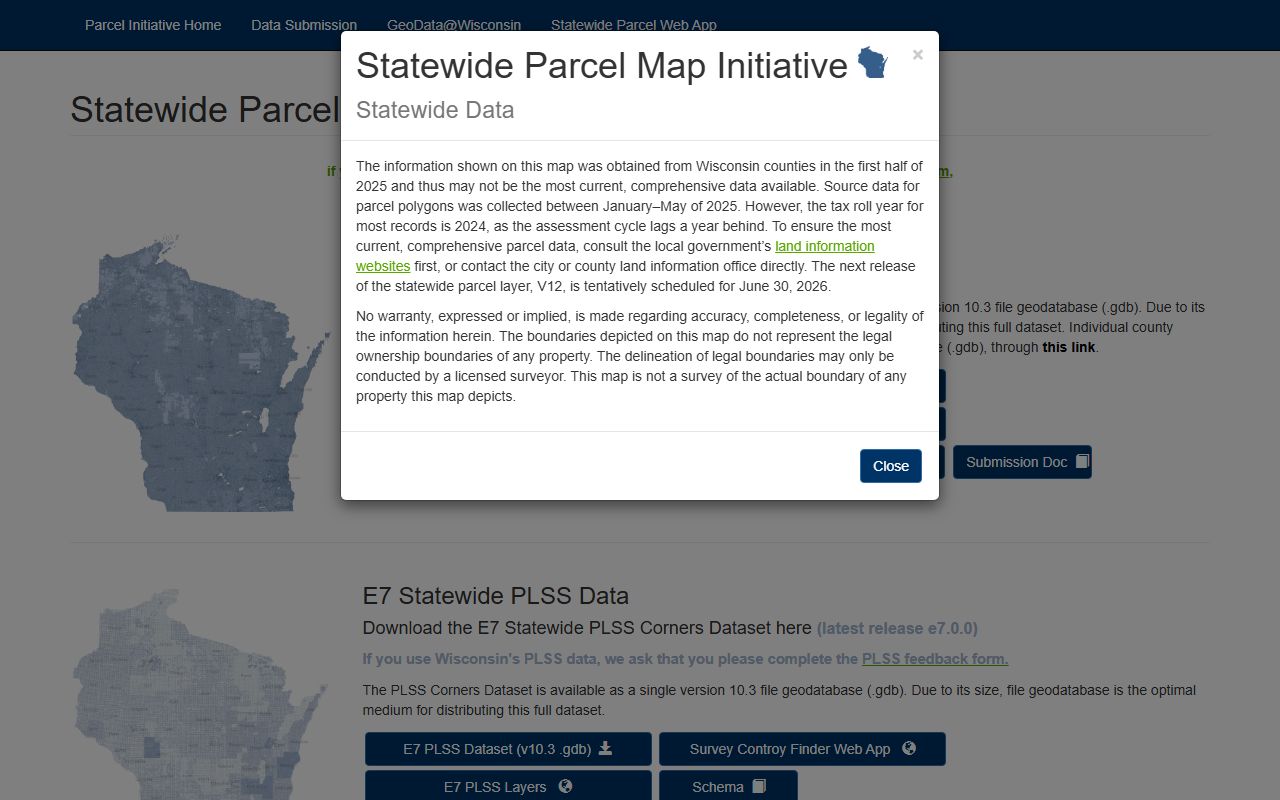
The statewide parcel layer helps when a parcel boundary or land shape needs broader context.
See the Wisconsin State Law Library property guide in this state property law source when you need plain language for the legal terms behind the record.

That guide is useful when a deed term or recording rule needs clearer explanation.
Marathon County Property Records Fees
The research set does not give Marathon County a long fee table, but it does make clear that recorded document search is part of the county service. That means the main cost is usually tied to the copy or search path you choose, not just a routine lookup. If you already know the document trail, the county office can get you to the right paper faster than a broad search would. That is helpful for title work, family files, and simple confirmation searches.
Because the county also keeps real estate and vital records in the same office system, the office can often help you sort out whether a request belongs to land records or another record type. That keeps Marathon County Property Records practical. It also keeps the search from wandering into the wrong office when all you needed was a document copy or a parcel check.
Statewide, Wis. Stat. § 77.22 sets the transfer fee framework, and Wis. Stat. § 77.265 explains why some transfer data stays confidential. Those rules help explain the difference between a recorded deed and the separate transfer return trail behind it.
Marathon County Property Records Help
If you need help with Marathon County Property Records, start with the Register of Deeds page, then move to Land Information, then use the state resources if the search needs transfer or legal context. That is the fastest county path. It fits the way Marathon County organizes its records and mapping services. The county site is good for office contact and direct record work, while the map page is better when the parcel itself matters.
The Wisconsin Register of Deeds Association is also a good statewide reference when you want to compare county practice to the broader Wisconsin system. It does not replace the county office. It just gives you another place to confirm how the record trail is supposed to work. Marathon County Property Records are easier to handle when the office page, the map page, and the state resources all point the same way.
Marathon County's Wausau location also makes the county record path straightforward for local users. The courthouse office keeps the document side, while Land Information keeps the map side. That split helps when a property question starts with a parcel but ends with a recorded filing. In that kind of search, the county pages reduce the chance that you will confuse the tax record with the deed file.
The county setup is also useful for older research. Even when a search starts with a simple owner name, the map and office pages give you a better way to narrow the file. That is the main value of Marathon County Property Records. The pages are not flashy, but they are organized in a way that keeps the search moving.
Marathon County Land Information is the county page to use when you need a web-based GIS map alongside the record trail.