
Access Sauk County Property Records
Sauk County Property Records are useful when you need an old index, a digital document path, and a current land lookup all in one county. The Register of Deeds keeps grantor and grantee indexes from the mid-1800s through late 1986, and LandShark handles the digital side after that. CDs of daily recordings are also available. That mix gives Sauk County a strong record trail for people who are tracing ownership, checking a filing, or working through a parcel clue that starts in an older book.
Sauk County Property Records Search
The county website at co.sauk.wi.us is the main entry point, and the Register of Deeds page at co.sauk.wi.us/registerofdeeds is where the record work starts. Sauk County Property Records are especially useful because the office keeps grantor and grantee index books from the mid-1800s to late 1986, then moves the modern index side into LandShark. That gives the county a very clear historical split.
The county notes that CDs of daily recordings are available for purchase and that eRETR is required for all conveyances. That matters because Sauk County Property Records are not only a search problem. They are also a filing problem. If you are preparing a deed or checking a transfer, the county's record structure tells you where the document should go and what the office expects to see.
State backup sources help when the local record needs a wider explanation. Wis. Stat. § 59.43 covers recording duties, Wis. Stat. § 77.22 covers transfer fees, and the Wisconsin State Law Library at wilawlibrary.gov/topics/realprop.php is useful when a deed term or filing rule needs plain language.
Sauk County Property Records Office
The Register of Deeds office is at Sauk County West Square Building, Room 122, 505 Broadway, Baraboo, WI 53913. That office is the anchor for Sauk County Property Records because it keeps both the historic index side and the digital search side. If you have a pre-1986 clue, the scanned index books matter. If you have a modern filing, LandShark is the quicker route. That pairing makes the county very practical for old and new work alike.
The Land Information and GIS page at co.sauk.wi.us/landinformation gives the county's map and parcel side. The county also provides the GIS Tax Parcel iSite at data-saukgis.opendata.arcgis.com, which lets you search by parcel number, address, or owner. Sauk County Property Records become much easier to use when the parcel lookup and the deed lookup are checked together.
The land and tax side also supports the county's public workflow. The tax information side is handled through the treasurer system, and the research notes give a direct phone contact for that work. That matters because some property questions are really tax or parcel questions in disguise. Sauk County keeps those pieces close together instead of spreading them across unrelated pages.
Sauk County Property Records Maps
See the Wisconsin State Cartographer office in this state cartography source when you want broader map context beside Sauk County Property Records.
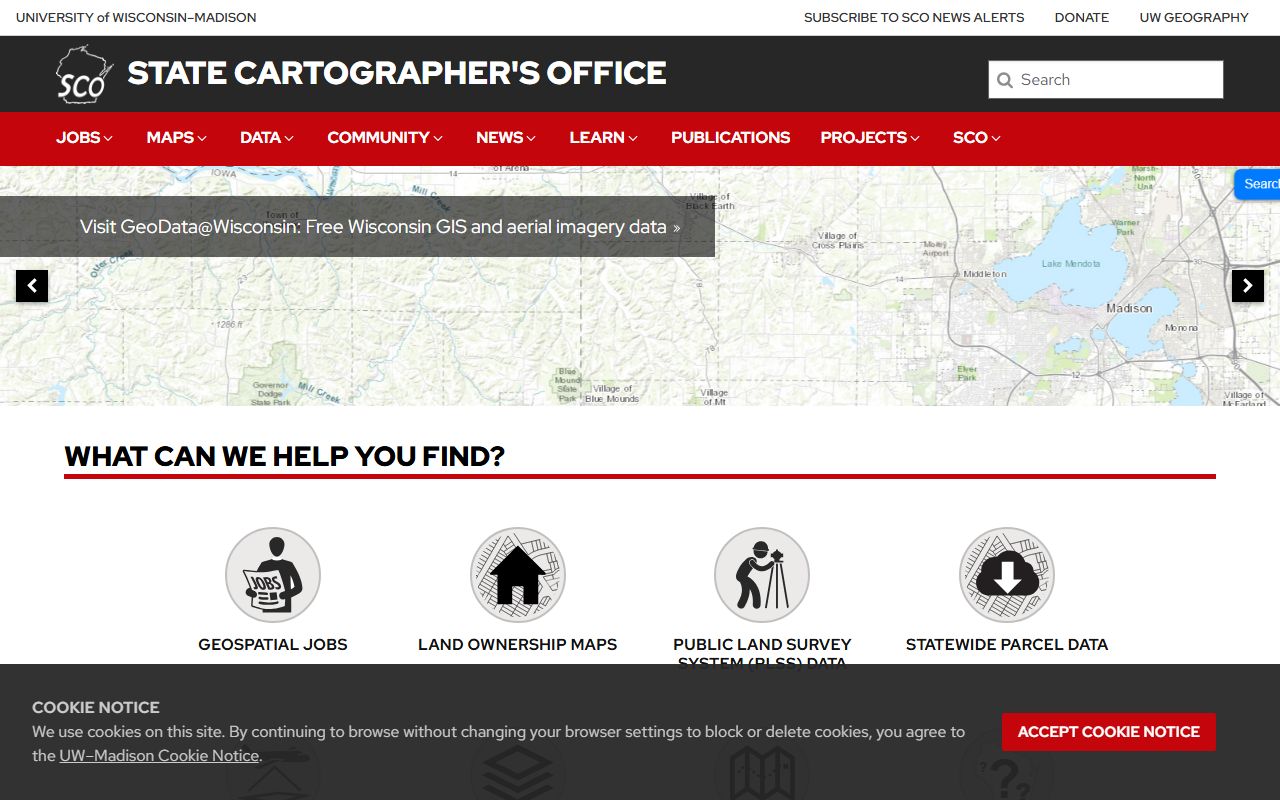
The state cartographer view helps when the county parcel needs a broader map comparison.
See the Wisconsin Department of Revenue transfer search in this state transfer source when you want filing context beside Sauk County Property Records.
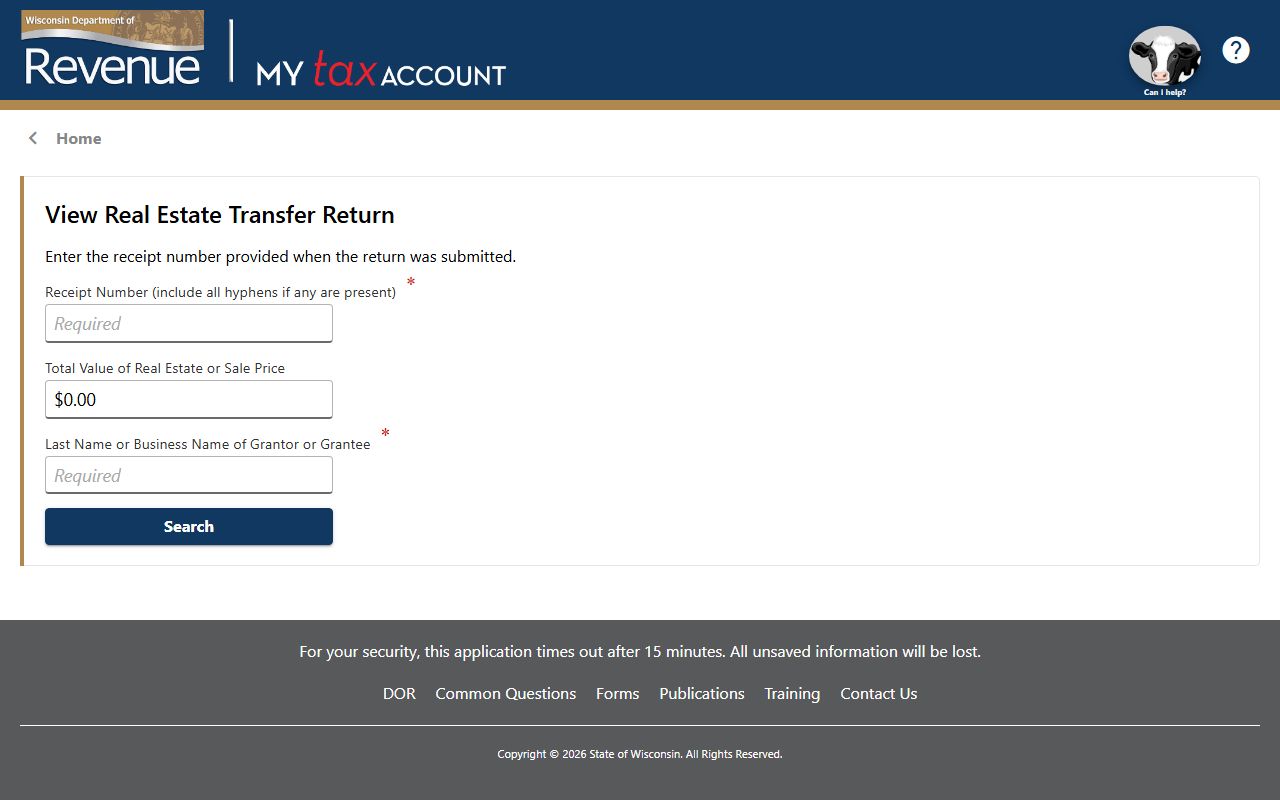
The transfer source is useful when a deed and transfer return need to be read together.
See the Wisconsin State Law Library property guide in this state property law source when you want recording terms in plain language.

The law library guide is a reliable backup when older index terms need clearer meaning.
Sauk County Property Records Fees
The research gives a specific fee schedule. Sauk County charges $30 per document regardless of page count, $50 for plats and condo plats, and $30 for termination of joint property. That keeps Sauk County Property Records straightforward to budget for once you know the document type. The county also says eRETR is required for all conveyances, so the filing side is tied directly to the transfer process.
Those fees make the county's workflow easier to read. If you already know the document type, the cost is simple. If you are still trying to identify the record, the grantor and grantee indexes or LandShark can help narrow the lead first. Sauk County Property Records are therefore best handled in stages: identify, confirm, then request. That keeps wasted effort low.
For the legal frame, Wis. Stat. Chapter 706 is the conveyance chapter that explains the title side, and Wis. Stat. § 77.25 covers transfer fee exemptions. When transfer confidentiality comes up, Wis. Stat. § 77.265 explains why some return details stay private.
Sauk County Property Records Help
If you need help with Sauk County Property Records, start with the Register of Deeds page, then move to LandShark, then use the GIS parcel iSite if you need the parcel view. That order matches the county's own record structure. Older searches can use the scanned grantor and grantee indexes. Newer searches can use LandShark. The county gives you both, which is the main reason the record trail works so well here.
The Land Information office is also worth using because it adds a clean map and parcel layer to the record side. If the question is a deed, the deed side should answer it. If the question is a lot line or address, the map side should answer it. Sauk County Property Records are strongest when those pieces agree instead of being read in isolation.
Tax questions often need the treasurer side, and the county research points to that as well. That is useful because parcel data, tax data, and recorded documents are connected but not identical. A careful search will check all three. If the legal terms get dense, the state law library is the best general backup, and the state cartographer is the best outside map check.
Sauk County Property Records also benefit from the county's long index history. A mid-1800s book entry can still lead to a usable modern search if you keep the old and new systems in the right order. That makes the county a strong fit for title work, family land research, and simple ownership checks. The record trail is long, but the county has given you the tools to follow it.
That long span is useful when a search begins with a family name, a farm label, or a historic subdivision that still matters today.
The daily recording CDs are another small but useful piece of the county setup. They give a way to follow current activity without losing sight of the older index books. For Sauk County Property Records, that matters because some searches begin in a mid-1800s index and end in a modern digital file. The county keeps both ends available, which is why the workflow stays manageable.
Sauk County Register of Deeds is the main office page when the search needs the full county record path.